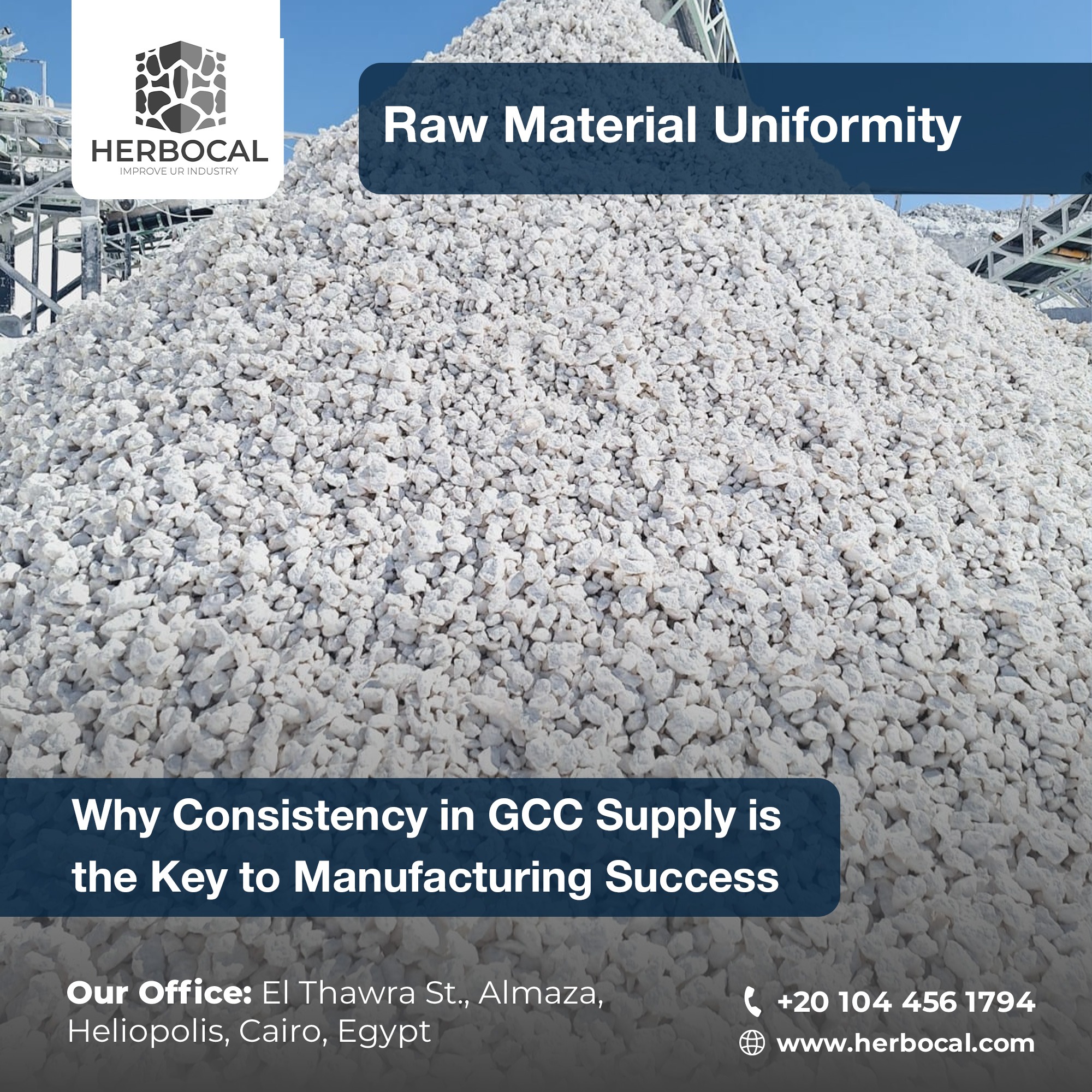

Industrial Raw Material Reliability: 5 Red Flags When Choosing a Mineral Supplier In modern manufacturing, efficiency is built on consistency—and consistency begins with your raw materials.
For industries that depend heavily on Ground Calcium Carbonate (GCC), such as plastics, paints, coatings, paper, and adhesives, Industrial Raw Material Reliability is not just a quality metric—it is the backbone of operational stability.
A single inconsistent batch can trigger a cascade of costly problems:
- Clogged extruders in plastic processing
- Color inconsistencies in paints
- Weak structural integrity in films and compounds
- Increased downtime and material waste
These failures are rarely caused by machinery or formulation errors alone. More often, they originate from unreliable raw material sourcing.
The reality is simple: your supply chain is only as strong as its weakest link—and in many cases, that link is your mineral supplier.
This guide highlights five critical red flags that signal unreliable sourcing practices, helping procurement professionals and production managers protect their operations from hidden risks.
Industrial Raw Material Reliability: 5 Red Flags When Choosing a Mineral Supplier
Red Flag 1: Vague or Inconsistent Technical Data Sheets (TDS)
The first indicator of poor Industrial Raw Material Reliability is unclear or overly flexible technical documentation.
What to Watch For
- Broad specification ranges (e.g., purity listed as 95–98%)
- Missing key parameters such as PSD or moisture content
- Lack of updated or batch-specific data
Why This Is Dangerous
In high-performance applications, even small variations can have major consequences:
- A 2–3% drop in CaCO₃ purity introduces unknown impurities
- Variations in brightness affect final product color
- Inconsistent particle size disrupts processing behavior
What Reliability Looks Like
A professional supplier should provide:
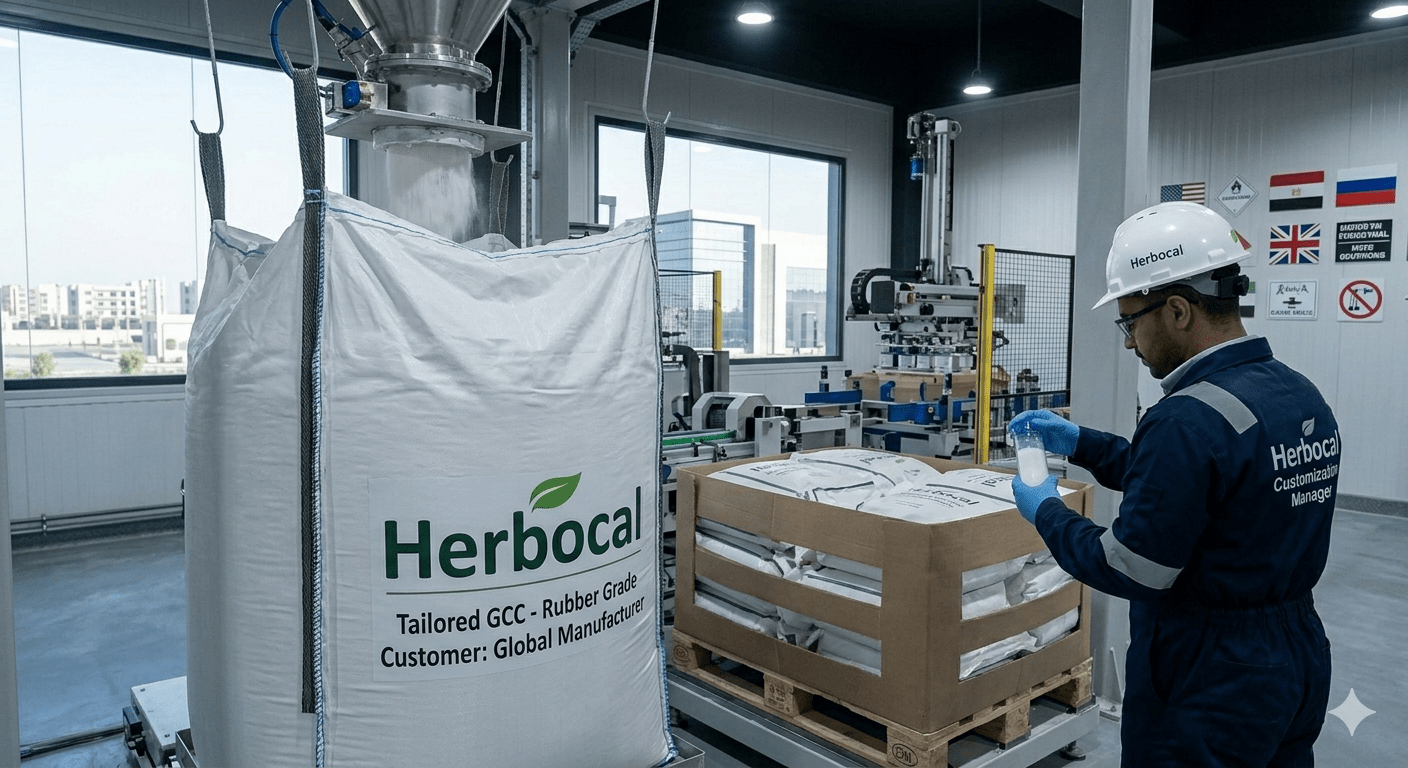
- Precise, fixed specifications
- Detailed and measurable values
- Supporting lab data for every claim
Precision in documentation reflects precision in production.
Red Flag 2: Lack of Traceability (The Hidden Broker Model)
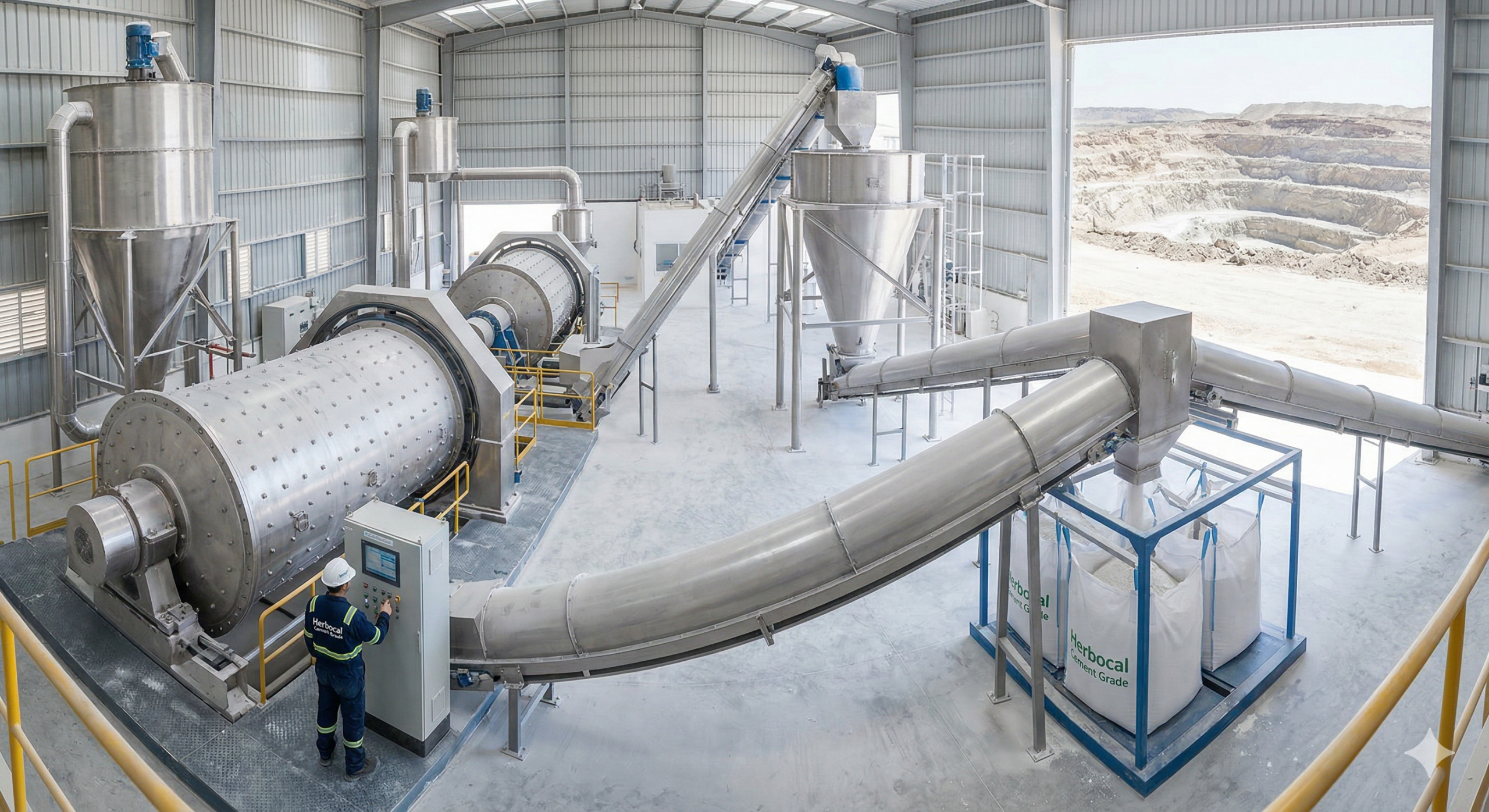
One of the most overlooked risks in Industrial Mineral Sourcing is dealing with suppliers who do not control their raw material sources.
The Broker Problem
Many suppliers operate as intermediaries:
- Sourcing from multiple small quarries
- Mixing materials from different geological origins
- Offering no clear traceability
Why This Matters
Limestone deposits are not uniform. Variations in geology lead to:
- Changes in chemical composition
- Inconsistent whiteness and brightness
- Fluctuations in impurity levels
Without traceability, consistency becomes impossible.
What to Demand
- Clear identification of quarry sources
- Stable and controlled supply chains
- Long-term sourcing strategy
Traceability is the foundation of consistency—and consistency is the foundation of reliability.
Red Flag 3: High Silica Content and Abrasiveness
Low-cost calcium carbonate often comes with a hidden operational cost: abrasiveness.
The Real Risk
Silica, commonly found in lower-grade materials, behaves like an abrasive agent:
- Accelerates wear on screws and barrels
- Damages molds and dies
- Increases maintenance frequency
The Hidden Financial Impact
Short-term savings in raw material cost can lead to:
- Expensive equipment replacement
- Increased downtime
- Reduced production efficiency
What to Look For
- Low silica content
- Low Mohs hardness (~3 for calcium carbonate)
- High chemical purity
The Long-Term Advantage
Using low-abrasion materials:
- Extends equipment lifespan
- Reduces maintenance costs
- Improves operational stability
Industrial Raw Material Reliability: 5 Red Flags When Choosing a Mineral Supplier
Red Flag 4: Poor Logistics Transparency and Communication
Reliability is not just about the material—it is about delivery performance.
Warning Signs
- Delayed responses after order placement
- Unclear shipping timelines
- Lack of tracking or updates
- Unexpected logistical costs
Why It Matters
Unpredictable logistics can:
- Halt production lines
- Disrupt inventory planning
- Increase operational stress
What a Reliable Supplier Provides
- Clear delivery schedules
- Transparent communication at every stage
- Defined logistics processes
- Real-time updates when needed
In global manufacturing, time is a critical asset. A reliable supply chain protects that asset.
Red Flag 5: No After-Sales Technical Support
A transactional supplier disappears after delivery. A strategic partner stays engaged.
The Reality of Industrial Production
Even with high-quality materials, challenges can arise:
- Dispersion issues in coatings
- Film defects in plastics
- Viscosity inconsistencies in adhesives
The Risk of No Support
Without technical assistance:
- Problems take longer to resolve
- Costs increase due to trial-and-error
- Production efficiency declines
What a True Partner Offers
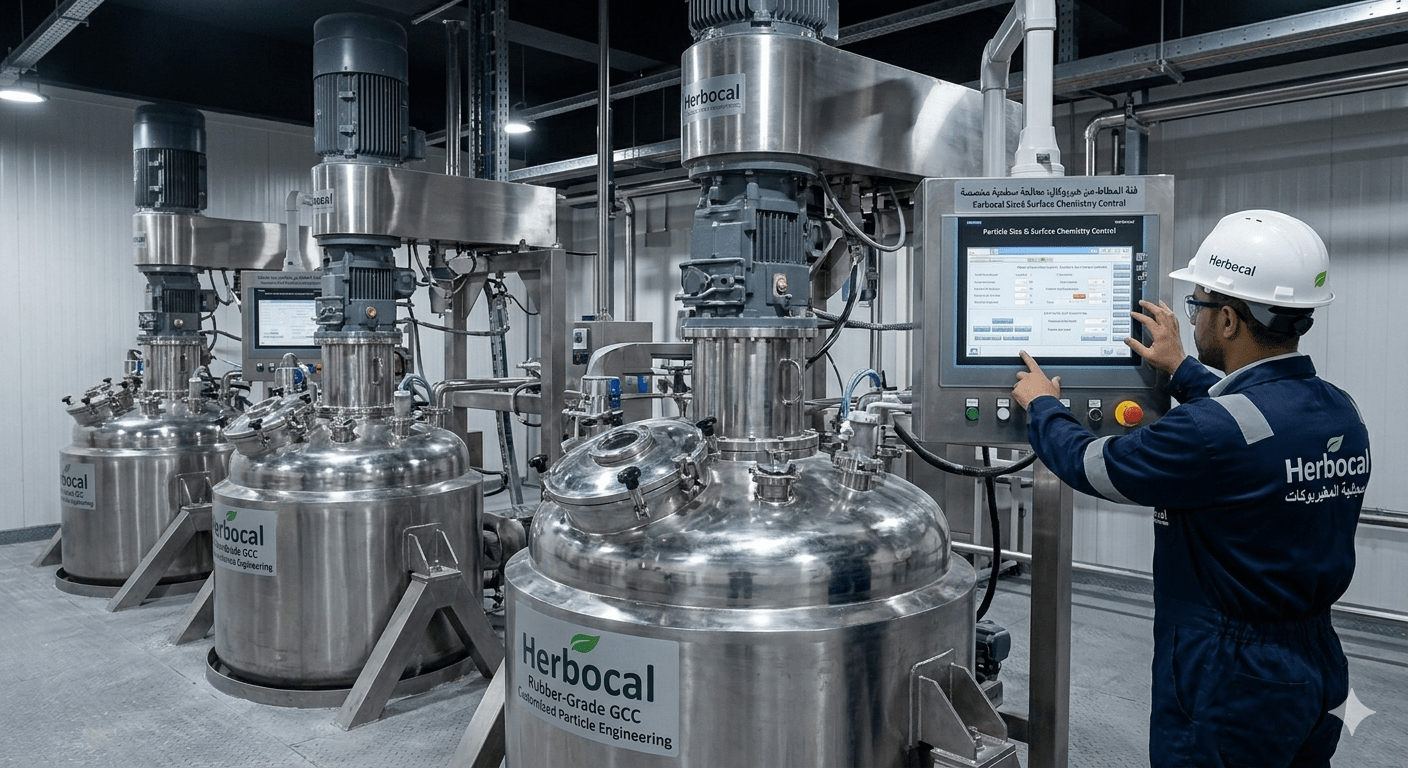
- Application-specific expertise
- Troubleshooting based on real data
- Guidance on grade selection
- Continuous improvement support
Technical support is not an added value—it is a necessity.
Quick Comparison: Red Flags vs. Reliable Standards
| Feature | Red Flag (High Risk) | Reliable Standard (Low Risk) |
|---|---|---|
| Technical Data | Broad, vague ranges | Precise, measurable specs |
| Traceability | Unknown source | Controlled quarry origin |
| Purity & Silica | High impurities | High purity, low silica |
| Logistics | Unclear timelines | Transparent and predictable |
| Support | No engagement | Continuous technical support |
The Cost of Ignoring Red Flags
Many manufacturers focus on price optimization while overlooking risk exposure.
However, unreliable sourcing can lead to:
- Production downtime
- Increased rejection rates
- Equipment damage
- Loss of customer trust
These costs are often significantly higher than any savings gained from low-cost materials.
Building a Reliable Supply Chain: A Strategic Approach
Industrial Raw Material Reliability should be treated as a strategic priority.
Key Principles
- Prioritize consistency over short-term cost savings
- Validate supplier capabilities with data, not claims
- Build long-term partnerships instead of transactional relationships
- Integrate technical support into your sourcing strategy
Reliability is not achieved by chance—it is engineered through the right partnerships.
Industrial Raw Material Reliability: 5 Red Flags When Choosing a Mineral Supplier
Conclusion: Reliability Is a Competitive Advantage
In today’s competitive manufacturing environment, reliability is more than operational stability—it is a differentiator.
A reliable raw material supplier enables you to:
- Maintain consistent product quality
- Optimize production efficiency
- Reduce operational risks
- Strengthen your market position
Ignoring warning signs in your supply chain can lead to significant financial and operational consequences.
Recognizing and avoiding these red flags is the first step toward building a stronger, more resilient production system.
If you are ready to eliminate uncertainty from your supply chain and ensure consistent, high-performance production, it is time to evaluate your sourcing strategy.
Choose a partner who delivers:
- Verified, high-purity materials
- Consistent batch-to-batch performance
- Transparent logistics
- Ongoing technical support
Take control of your Industrial Raw Material Reliability today—and transform your supply chain into a true competitive advantage.